
Quick Bio
| Field | Details |
|---|---|
| Keyword | Koriandri |
| Category | Herb / Natural Ingredient |
| Origin | Mediterranean & Asian regions |
| Uses | Culinary, medicinal, skincare |
| Popularity | Global |
| Known For | Flavor, aroma, health benefits |
Introduction
Koriandri is a fascinating and widely used herb that has gained global recognition for its unique flavor, medicinal benefits, and versatile applications. Whether you are a food lover, a health enthusiast, or someone exploring natural remedies, koriandri plays an important role in daily life across different cultures.
From enhancing the taste of dishes to offering numerous health advantages, koriandri has built a strong reputation over time. In this article, we’ll explore everything about koriandri, including its bio, career journey (historical growth), uses, family background (botanical classification), net worth (market value), and much more.
What is Koriandri?
Koriandri is commonly known as coriander or cilantro in different parts of the world. It is an herb derived from the Coriandrum plant and is widely used in cooking, medicine, and even cosmetics.
The leaves and seeds of koriandri are both useful:
- Leaves: Fresh and aromatic (used in garnishing)
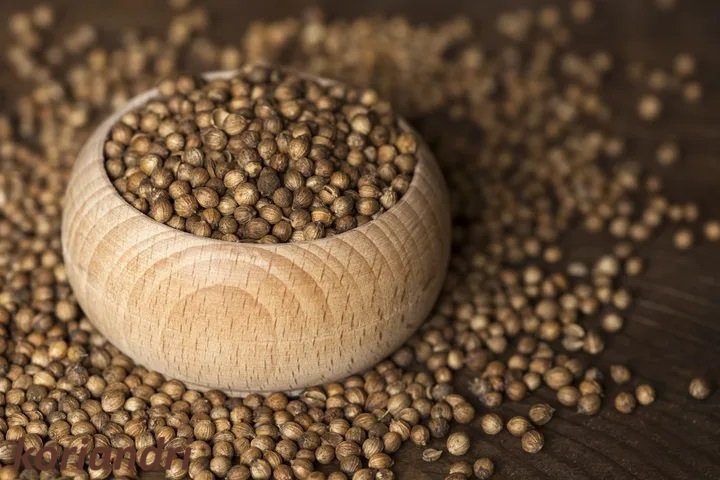
- Seeds: Dried and used as a spice
Koriandri has a refreshing citrus-like flavor that enhances both simple and complex dishes.
History and Origin of Koriandri
Koriandri has a long and rich history that dates back thousands of years. It was originally cultivated in Mediterranean regions and later spread across Asia, Europe, and the Middle East.
Ancient civilizations valued koriandri for its:
- Medicinal properties
- Culinary uses
- Preservative qualities
Over time, koriandri became a staple ingredient in many traditional cuisines around the world.
Botanical Family of Koriandri
Koriandri belongs to the Apiaceae family, which includes other popular herbs and vegetables like:
- Carrots
- Parsley
- Celery
This family is known for aromatic plants that are both flavorful and beneficial for health.
Career of Koriandri (Global Growth & Usage)
The “career” of koriandri can be understood through its global expansion and increasing demand.
Early Stage
Koriandri was mainly used in herbal medicine and traditional cooking.
Growth Phase
As trade routes expanded, koriandri spread across continents, gaining popularity in:
- Indian cuisine
- Middle Eastern dishes
- European cooking
Modern Era
Today, koriandri is widely used in:
- Restaurants and street food
- Health supplements
- Organic skincare products
Its versatility has made koriandri a permanent part of global markets.
Uses of Koriandri
Koriandri is incredibly versatile and used in multiple industries.
1. Culinary Uses
- Flavoring curries, soups, and salads
- Garnishing dishes
- Spice blends
2. Medicinal Uses
- Improves digestion
- Helps reduce inflammation
- Supports heart health
3. Skincare Uses
- Used in natural face masks
- Helps reduce acne
- Improves skin glow
4. Aromatherapy
- Essential oils from koriandri seeds
- Relaxation and stress relief
Health Benefits of Koriandri
Koriandri is packed with nutrients and offers many health benefits.
Rich in Nutrients
Koriandri contains:
- Vitamins A, C, and K
- Antioxidants
- Minerals like potassium and calcium
Improves Digestion
Koriandri helps:
- Reduce bloating
- Improve gut health
- Support enzyme activity
Supports Heart Health
Regular use of koriandri may help:
- Lower cholesterol
- Regulate blood pressure
Boosts Immunity
The antioxidants in koriandri strengthen the immune system and protect against infections.
Koriandri in Different Cuisines
Koriandri is widely used across various cultures.
Asian Cuisine
- Used in curries, chutneys, and rice dishes
Middle Eastern Cuisine
- Added to salads and meat dishes
Western Cuisine
- Used in soups, sauces, and garnishes
Its adaptability makes koriandri a favorite ingredient worldwide.
Net Worth of Koriandri (Market Value)
While koriandri is not a person, its “net worth” can be understood in terms of its global market value.
Global Market Demand
Koriandri is a major part of the herb and spice industry, which is worth billions of dollars globally.
Economic Importance
- Widely cultivated in Asia and Europe
- Exported worldwide
- Essential for food industries
Future Growth
The demand for organic and natural products is increasing, which means koriandri’s market value will continue to grow.
Family and Classification
Here is the botanical classification of koriandri:
- Kingdom: Plantae
- Family: Apiaceae
- Genus: Coriandrum
- Species: Coriandrum sativum
Koriandri is closely related to herbs that share similar aromatic properties.
How to Grow Koriandri
Growing koriandri at home is simple and rewarding.
Steps to Grow
- Choose well-drained soil
- Plant seeds directly
- Water regularly
- Ensure sunlight exposure
Growing Tips
- Avoid overwatering
- Harvest leaves early for best flavor
- Use organic fertilizers
Koriandri in Modern Lifestyle
Today, koriandri is more than just a herb.
Health Trends
- Used in detox drinks
- Added to smoothies
Organic Movement
- Popular in organic farming
- Used in natural remedies
Culinary Innovation
- Featured in fusion dishes
- Used in gourmet cooking
Koriandri continues to evolve with modern trends.
Advantages and Disadvantages
Advantages
- Natural and healthy
- Easy to grow
- Versatile uses
Disadvantages
- Some people dislike its taste
- Short shelf life
- Requires proper storage
Storage and Preservation
To keep koriandri fresh:
- Store in refrigerator
- Use airtight containers
- Freeze for long-term use
Proper storage helps maintain flavor and nutrients.
Interesting Facts About Koriandri
- Koriandri seeds and leaves taste completely different
- It has been used for over 3000 years
- Some people genetically dislike its taste
- It is used in traditional medicine systems
Future of Koriandri
The future of koriandri looks promising due to:
- Growing demand for natural foods
- Increased awareness of health benefits
- Expansion of global cuisines
Koriandri is expected to remain a key ingredient worldwide.
FAQs About Koriandri
1. What is koriandri used for?
Koriandri is used in cooking, medicine, and skincare due to its flavor and health benefits.
2. Is koriandri the same as coriander?
Yes, koriandri is another name for coriander or cilantro.
3. Can koriandri improve health?
Yes, it supports digestion, heart health, and immunity.
4. How can I store koriandri?
Store it in the refrigerator or freeze it to keep it fresh longer.
5. Is koriandri easy to grow at home?
Yes, it grows easily with proper sunlight, soil, and watering.
Conclusion
Koriandri is a powerful and versatile herb that has stood the test of time. From ancient civilizations to modern kitchens, it continues to play a vital role in food, health, and lifestyle.
Its rich history, wide range of uses, and growing market demand make koriandri an essential part of everyday life. Whether you use it for cooking, health benefits, or natural remedies, koriandri remains a valuable and trusted ingredient.